
Mastering Budget Travel in Switzerland: An Insider’s Blueprint
Switzerland is world-renowned for its dramatic alpine peaks, pristine lakes, and punctual infrastructure. However, it also carries a reputation for being one of the most expensive travel destinations on Earth. From high-end dining to costly mountain cable cars, expenses can multiply quickly.
Yet, travelling through Switzerland on a budget is entirely achievable. With careful planning, strategic timing, and a few localised hacks, you can experience the best of the Swiss Alps without overspending.
1. Master the Transport System: Passes Over Point-to-Point
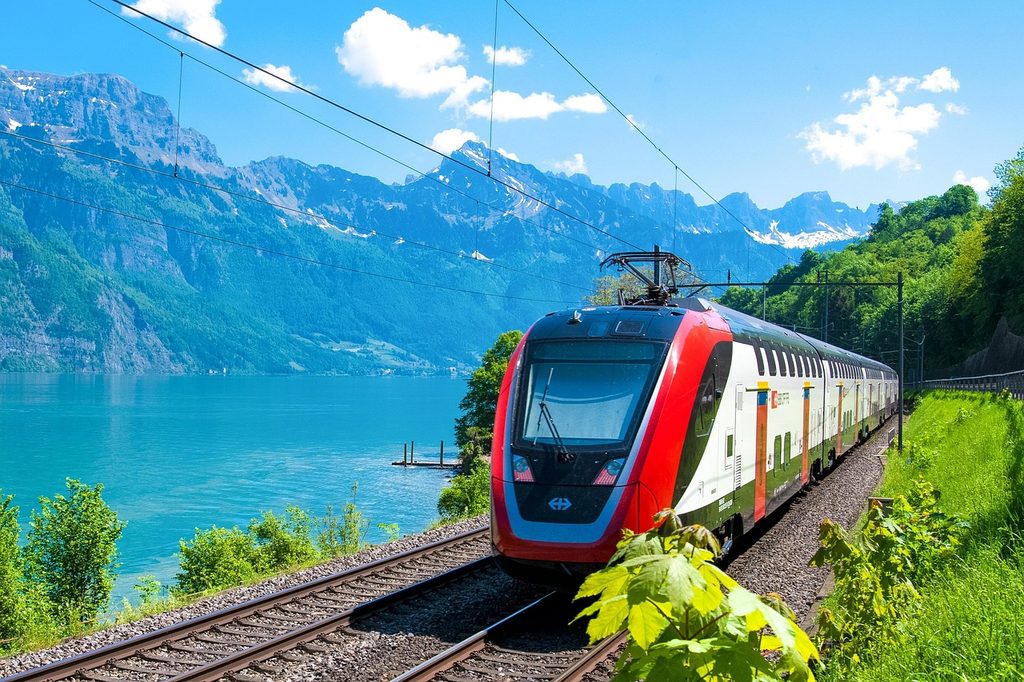
Transportation can easily become the largest expense of a Swiss vacation. Fortunately, the country’s world-class public transit network (SBB) offers specialised rail passes designed to lower costs for international visitors.
+-------------------------------------------------------------------------+
|                      Choosing Your Transport Pass                       |
+-------------------------------------------------------------------------+
                                     |
              +----------------------+----------------------+
              |                                             |
              v                                             v
  [ Heavy Daily Travel ]                        [ Flexible / Multi-Week ]
  - Swiss Travel Pass                           - Swiss Half Fare Card
  - Unlimited trains, buses, boats              - 50% off all transit tickets
  - Free access to 500+ museums                 - Pairs with Saver Day Passes
The Swiss Half Fare Card vs. Swiss Travel Pass
- Swiss Half Fare Card (HFC): At roughly CHF 150 for a 1-month pass, this card yields a 50% discount on virtually all trains, buses, boats, and alpine cable cars nationwide. For most budget travellers, combining the Half Fare Card with pre-booked point-to-point tickets offers the best financial return.
- Swiss Travel Pass: Offers unlimited consecutive days of travel on the entire national network, along with free admission to over 500 museums. While convenient, it carries a higher upfront cost. It makes sense primarily if you plan to cover vast distances across the country daily.
Leveraging Saver Day Passes and Supersaver Tickets
If you plan your itinerary early, purchase Supersaver Tickets or Saver Day Passes via the official SBB mobile app. Released up to 2 months in advance, these non-refundable tickets offer steep discounts compared to standard fares.
2. Smart Accommodation Strategies
Lodging in major tourist hubs like Zermatt, St. Moritz, or Zurich can drain a travel budget overnight. Shifting your accommodation strategy can cut room costs by half.
| Accommodation Strategy | How It Works | Budget Impact |
| Base in Secondary Towns | Stay in nearby hubs (e.g., Thun instead of Interlaken, or Vevey instead of Montreux). | Saves 30%–50% on nightly room rates. |
| Youth Hostels & Swiss Hostels | Rent private rooms or dorm beds in clean, modern hostels across the country. | Provides free breakfasts and access to shared kitchens. |
| Free Local Visitor Cards | Book hotels/hostels in cities like Bern, Geneva, or Lucerne. | Unlocks free local public transit for the duration of your stay. |
| Vacation Rentals (Ferienwohnungen) | Rent an apartment for 4+ days in alpine villages. | Lowers per-night costs and enables self-catering. |
3. Dine Like a Local: The Supermarket Picnic Strategy
Eating out at standard sit-down restaurants in Switzerland can easily cost CHF 30–50 per person for a simple meal. To keep food costs manageable without compromising on quality, adapt to local grocery culture.
+-------------------------------------------------------------------------+
|                         Swiss Dining Strategy                           |
+-------------------------------------------------------------------------+
                                     |
         +---------------------------+---------------------------+
         |                                                       |
         v                                                       v
  [ Supermarket Dining ]                                  [ Budget Cafes ]
  - Coop & Migros self-service restaurants                - Manor Department Store buffets
  - Takeaway sandwiches, fresh salads, & regional cheeses - Daily lunch specials ("Tagesmenü")
  - Picnic lunches with scenic mountain backdrops          - Water refills at public fountains
Key Grocery Chains
- Coop & Migros: The two dominant supermarket chains in Switzerland. Both feature extensive takeaway sections stocked with fresh bakery items, pre-made salads, roasted chicken, local cheeses, and cold cuts.
- Lidl & Denner: Budget grocery stores ideal for stocking up on snacks, dry goods, bottled beverages, and Swiss chocolate at a fraction of tourist-shop prices.
Supermarket Self-Service Restaurants
For warm meals, seek out Coop Restaurant, Migros Restaurant, or Manor Food Outlets. These self-service buffets offer fresh, high-quality Swiss meals, fish, pasta, and roasted meats for CHF 12–18—a third of the cost of a formal sit-down restaurant.
Tap Water is Free and Pure
Never purchase bottled water in Switzerland. The thousands of decorative public fountains flowing throughout Swiss cities and villages contain pure, cold, tested drinking water unless explicitly marked “Kein Trinkwasser”. Carry a reusable bottle and refill freely.
4. Explore High-Value & Free Alpine Excursions
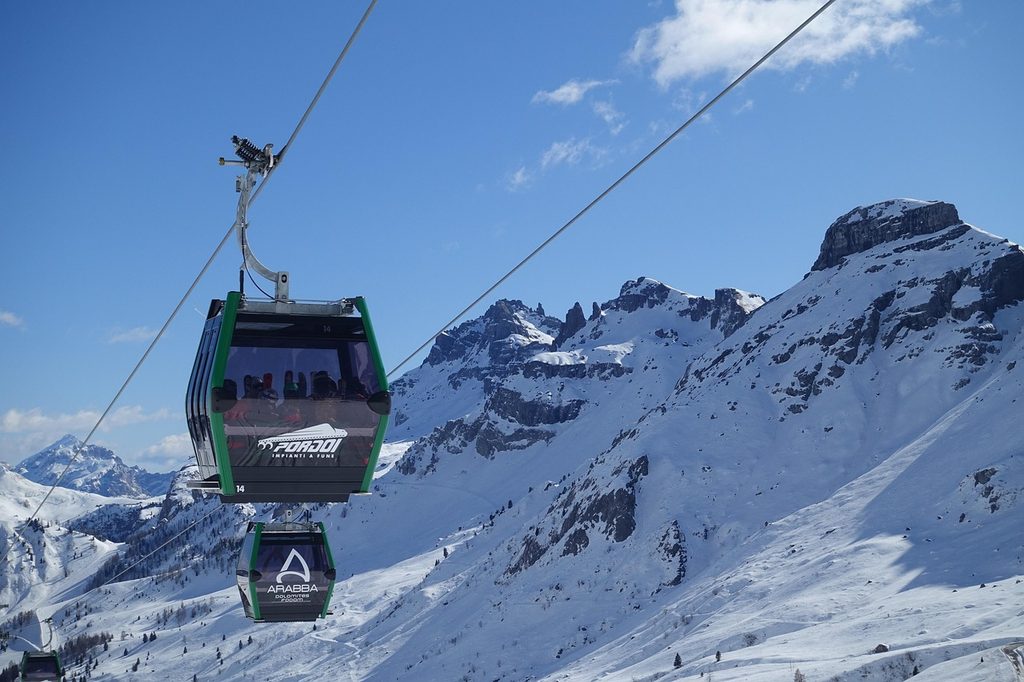
Private mountain funiculars, cable cars, and cogwheel trains (such as the journey to the Jungfraujoch) carry high ticket prices. You can enjoy the Swiss landscape on a budget using alternative options:
- Embrace Hiking: Switzerland features over 65,000 kilometres of well-marked, yellow-signed hiking trails. Walking up to a mountain viewpoint—or taking a cable car up and hiking down—saves money while offering an immersive alpine experience.
- Fully Included Mountain Journeys: If you hold a Swiss Travel Pass, several scenic mountain trips are fully included at no extra charge—such as Mount Rigi, Stanserhorn, and Stoos.
- Lake Cruises as Transit: Passenger ferry rides across Lake Geneva, Lake Lucerne, Lake Thun, or Lake Brienz function as both scenic cruises and public transit. They are covered by standard travel passes.
5. Timing and Seasonality Matters
When you travel drastically shapes your expenses.
High Season (Price Peak)         Shoulder Season (Value Peak)
[ July - August | Jan - Feb ]    [ April - May | Sept - October ]
- Maximum accommodation rates    - Lower lodging rates
- Crowded transit & attractions  - Clear trail conditions
- High mountain pass prices      - Quiet, accessible villages
Visiting during the shoulder seasons (late April to May, or September to October) offers pleasant hiking weather, uncrowded trains, and significantly lower accommodation rates.
Summary Checklist for a Budget Swiss Trip
- Buy a Swiss Half Fare Card or lock in Saver Day Passes early.
- Stay outside major resort centres in smaller, connected secondary towns.
- Pledge to self-cater breakfast and lunch using Coop, Migros, or Denner.
- Pack a reusable water bottle and use public fountains.
- Prioritise foot-based alpine exploration over high-cost peak funiculars.
By shifting away from luxury tourist packages and embracing local transport and dining habits, you can experience Switzerland’s spectacular landscapes at a fraction of the typical cost.