The World’s Most Expensive Destinations for Food, Drink, and Accommodation (in British Pounds)
Whether you are planning a high-end getaway, an extended international trip, or simply mapping out budget expectations for future travel, navigating global price levels is essential. From island territories reliant on long-distance imports to high-income European nations, certain destinations command staggering prices for daily living.
Below is an overview of the Top 10 Most Expensive Countries and Territories in the World, with all costs converted and evaluated in British Pounds (£) across food, dining, beverage prices, and accommodation.
Key Global Cost Drivers
- Geographic Isolation: Remote islands must import up to 90% of their food and supplies, passing heavy freight costs and import tariffs directly onto consumers.
- High Local Wages & Taxes: Countries with exceptionally high living standards and strict labour laws maintain elevated prices across hospitality and service sectors.
- Limited Land Availability: High real estate demand drives up hotel rates, vacation rentals, and long-term housing.
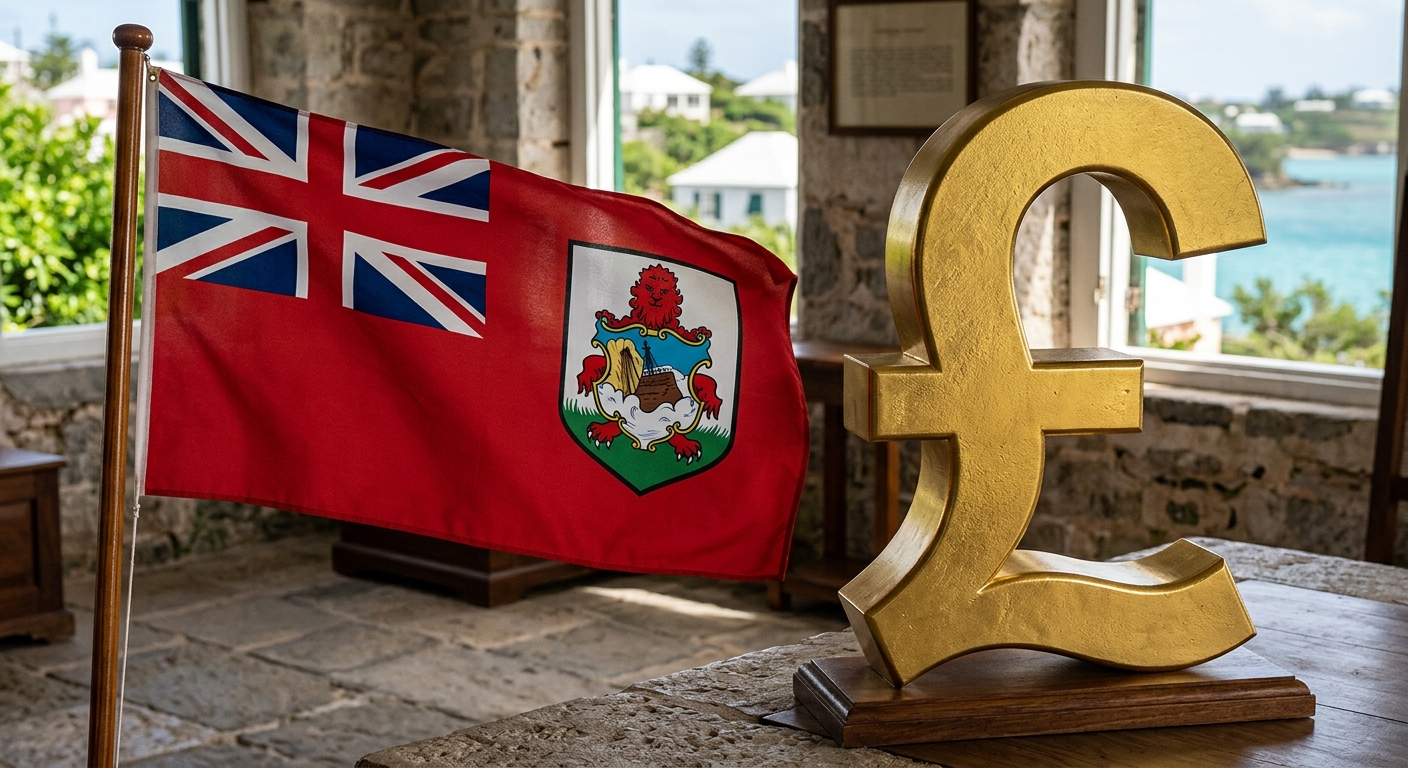
1. Bermuda
Consistently ranked as the world’s overall most expensive territory, Bermuda tops global cost-of-living indices. Because nearly all consumer goods and foodstuffs are shipped into the island, day-to-day grocery bills and dining out carry significant price tags.
- Food & Dining: A casual meal at a mid-tier restaurant frequently exceeds £50 to £60 per person. Basic grocery items, such as milk or fresh produce, cost double or triple UK supermarket rates.
- Drink: A draft beer or standard cocktail at a local establishment ranges from £8 to £14.
- Accommodation: Luxury resort properties and boutique hotels average upwards of £320 to £550+ per night during high season.
2. Cayman Islands
As a major offshore financial hub and high-end Caribbean destination, the Cayman Islands combine premium real estate prices with heavy reliance on imported goods.
- Food & Dining: Restaurant meals incur high service charges and imported ingredient costs, with casual dining starting around £32 to £44 per main course.
- Drink: Wine, spirits, and imported craft beers face steep import duties, with standard cocktails typically priced between £12 and £18.
- Accommodation: Average weeknight hotel rates regularly exceed £400 to £640, driven by luxury resort demand.
3. Switzerland
Leading all European nations in daily expense levels, Switzerland offers unmatched infrastructure and scenery alongside high consumer prices.
- Food & Dining: Simple casual dining in cities like Zurich or Geneva averages around £36 to £40 per person, while a standard mid-range three-course dinner can easily top £95 for two.
- Drink: A speciality coffee averages around £4 to £6, while a standard glass of wine or draft beer ranges between £6.50 and £11.
- Accommodation: Hotel costs average between £160 and £360 per night in urban centres, climbing higher in mountain resort areas like Zermatt or St. Moritz.
4. The Bahamas
The Bahamas remains one of the world’s most expensive destinations for dining and lodging, largely due to high import taxes and reliance on luxury tourism.
- Food & Dining: A basic meal at a casual restaurant averages roughly £40 to £44 per head, with supermarket items reflecting high transport tariffs.
- Drink: Local beers start around £5.50 to £7, while imported wines and spirits routinely command premium prices.
- Accommodation: Resort and hotel accommodations range from £240 to over £520 per night on major islands like New Providence and Paradise Island.
5. Iceland
Iceland’s volcanic landscape and remote North Atlantic location mean that agricultural imports, heating, and local transport add up quickly for travellers and residents.
- Food & Dining: A standard restaurant meal typically costs between £32 and £40 per person. Fresh vegetables and fruit are mostly imported or greenhouse-grown, making grocery runs notoriously high.
- Drink: High alcohol taxes make beer and wine exceptionally expensive; a single pint of beer costs between £8 and £11 in Reykjavik bars.
- Accommodation: Average daily hotel rates span £160 to £300 per night, with limited room availability pushing peak summer prices even higher.
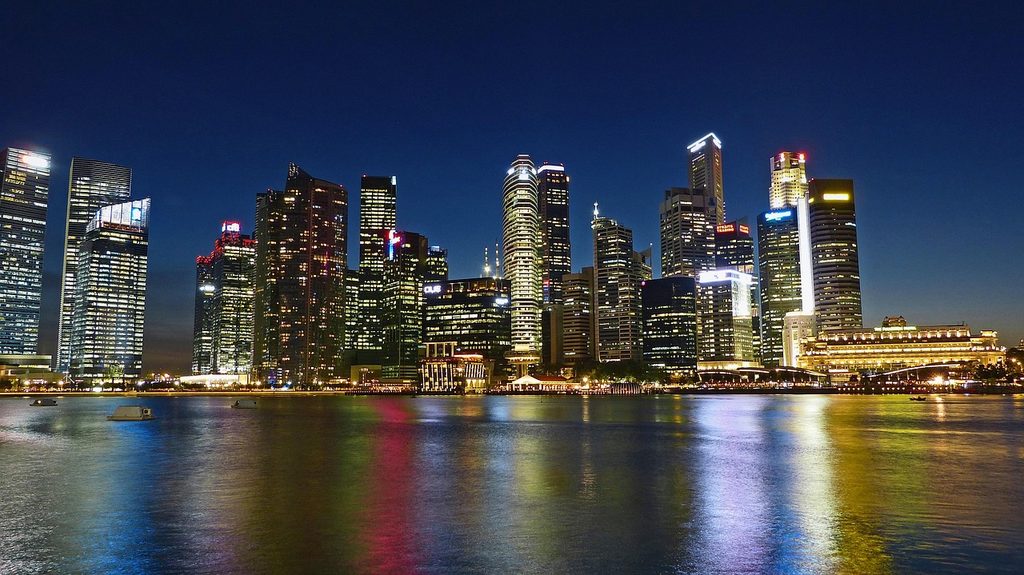
6. Singapore
As a global financial centre with restricted land mass, Singapore combines high real estate values with strict import dependencies for nearly 90% of its food supply.
- Food & Dining: While traditional hawker centres offer budget-friendly meals (£4–£8), mid-range and fine-dining restaurants carry premium pricing, with typical dining costs reaching £28 to £48 per person.
- Drink: Heavy alcohol duties keep beer and cocktails high, averaging £9.50 to £17.50 per drink in mid-range establishments.
- Accommodation: Hotel room rates average £160 to £320 per night, reflecting high demand across business and leisure sectors.
7. French Polynesia
Home to Tahiti and Bora Bora, French Polynesia offers remote luxury. High transport overheads and overwater bungalow infrastructure drive hotel and food prices to top global tiers.
- Food & Dining: Hotel restaurant meals frequently exceed £55 to £80 per person, as most food products are flown or shipped in.
- Drink: Cocktails and wine at island resorts typically range between £14 and £22.
- Accommodation: Average weeknight hotel rates exceed £640 to £1,000+ across premium resort islands.
8. Norway
Backed by high local wages, strong purchasing power, and high sales taxes, Norway consistently ranks among Europe’s costliest countries for food and lodging.
- Food & Dining: Simple restaurant meals range from £28 to £40 per person, while basic supermarket staples like milk, bread, and meat carry high price points relative to the UK.
- Drink: Alcohol sales are state-monopolised and heavily taxed; a domestic beer in a bar routinely costs £8 to £10.50.
- Accommodation: Hotel rooms in Oslo, Bergen, or Tromsø average between £140 and £240+ per night during high travel seasons.
9. The Maldives
Composed of over 1,000 coral islands, the Maldives relies almost entirely on a resort-based economy where all supplies must be transported by boat or seaplane.
- Food & Dining: At island resorts, full-board meal plans or individual restaurant dinners range from £64 to £120+ per person daily.
- Drink: Resort island drink prices are elevated, with soft drinks at £5 to £6.50 and alcoholic beverages at £12 to £20 due to import tariffs and service charges.
- Accommodation: High-end island resorts average £640 to £1,000+ per night, placing the nation among the top world destinations for lodging costs.
10. Denmark
Denmark rounds out the top ten with high VAT rates (25%) and strong labour wages that elevate the final bill for accommodation and hospitality.
- Food & Dining: Casual dining at a Copenhagen cafe or bistro ranges between £24 and £36 per main course.
- Drink: A speciality coffee costs around £4 to £5.50, while a draft beer or glass of house wine ranges from £6.50 to £10.50.
- Accommodation: Hotel stays across major Danish cities average £135 to £225 per night.
Cost Comparison Summary Table (in £ GBP)
| Country / Territory | Casual Meal (Per Person) | Draft Beer / Wine Glass | Nightly Hotel Rate | Primary Cost Driver |
| Bermuda | £50 – £60 | £8 – £14 | £320 – £550+ | 90%+ Imported goods & luxury real estate |
| Cayman Islands | £32 – £44 | £12 – £18 | £400 – £640 | Import duties & financial hub wealth |
| Switzerland | £36 – £40 | £6.50 – £11 | £160 – £360 | High domestic wages & strong currency |
| The Bahamas | £40 – £44 | £5.50 – £12 | £240 – £520 | Import tariffs & resort tourism market |
| Iceland | £32 – £40 | £8 – £11 | £160 – £300 | Island isolation & transport overhead |
| Singapore | £28 – £48 | £9.50 – £17.50 | £160 – £320 | Land scarcity & high import reliance |
| French Polynesia | £55 – £80 | £14 – £22 | £640 – £1,000+ | Remote island geography & resort model |
| Norway | £28 – £40 | £8 – £10.50 | £140 – £240+ | High sales tax & local labour costs |
| The Maldives | £64 – £120+ | £12 – £20 | £640 – £1,000+ | Private island logistics & freight |
| Denmark | £24 – £36 | £6.50 – £10.50 | £135 – £225 | 25% sales tax & high average wages |