For over a century, automaking’s ultimate frontier has been top speed. What began as a battle to break 100 mph has evolved into a hypercar war operating near the physical limits of aerodynamics, rubber friction, and powertrain engineering.
Today, reaching 250 mph is merely the entry ticket into the world’s elite hypercar tier. The current battleground belongs to machines aiming to shatter 300 mph and beyond.
Verified vs. Theoretical: Understanding Top Speed Claims
When discussing the fastest production cars, a crucial distinction exists between simulated (theoretical) top speeds and independently verified top speeds.
- Theoretical Claims: Computer simulations calculate top speed based on engine power output, gear ratios, curb weight, and aerodynamic drag ($C_d$).
- Verified Records: Official runs require GPS-tracked radar verification over a measured straight or high-speed testing oval. Historically, official production records require two runs in opposite directions to account for wind and gradient.
The Fastest Hypercars Dominating the World Stage
                      TOP SPEED BENCHMARKS
───────────────────────────────────────────────────────────────────
 Koenigsegg Jesko Absolut     | 310+ mph (Simulated Potential)
 Yangwang U9 Xtreme           | 308 mph (Verified High-Speed Run)
 SSC Tuatara                  | 295 mph (Verified GPS Speed)
 Bugatti Tourbillon           | 277 mph (Production Benchmark)
───────────────────────────────────────────────────────────────────
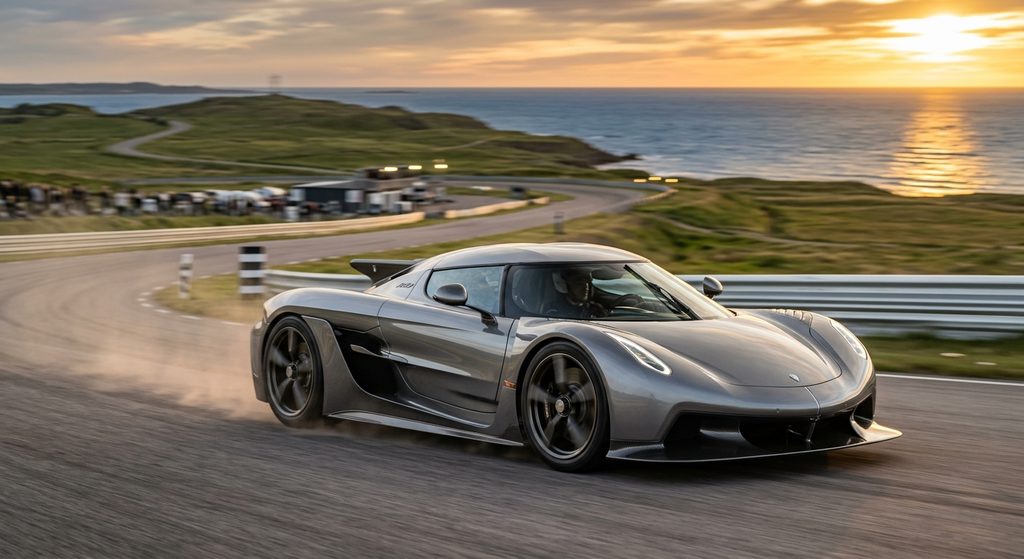
1. Koenigsegg Jesko Absolut (Theoretical Peak: 310+ mph / 499+ km/h)
Swedish hypercar manufacturer Koenigsegg engineered the Jesko Absolut with a singular goal: absolute straight-line velocity.
- Powertrain: 5.0-litre Twin-Turbo V8 producing 1,600 hp on E85 biofuel.
- Engineering Highlight: Features an ultra-low drag coefficient ($C_d$ 0.278) achieved by removing rear downforce wings in favour of rear twin fins inspired by F-15 fighter jets.
- Status: Computer simulations and gear-ratio calculations validate a 310+ mph potential. Koenigsegg holds world acceleration records (0–400–0 km/h in 27.83 seconds) as it prepares for its official multi-direction top speed run.
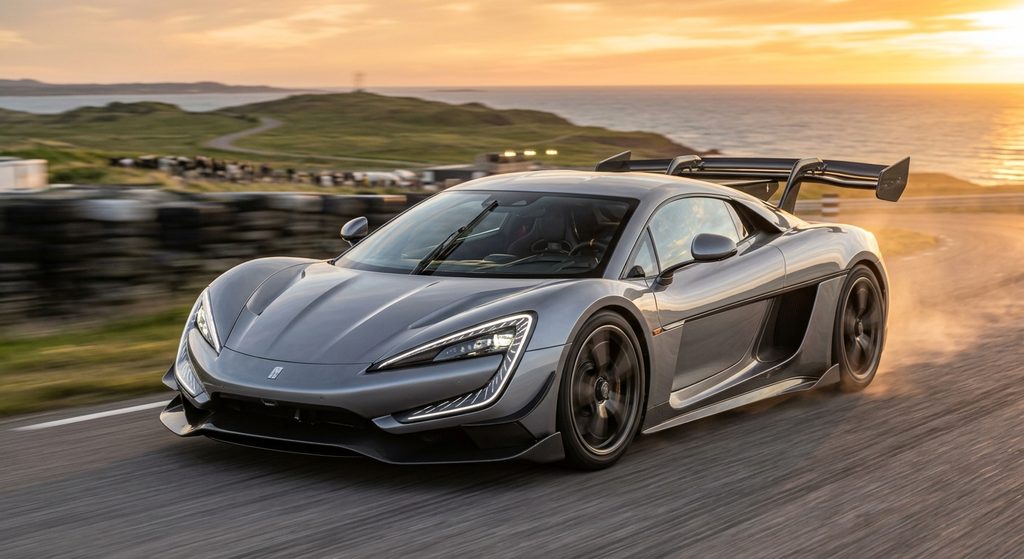
2. Yangwang U9 Xtreme (Verified: 308 mph / 496 km/h)
Electric power disrupted the traditional internal combustion hierarchy when BYD’s luxury performance wing, Yangwang, introduced the U9 Xtreme.
- Powertrain: Quad electric motors generating a combined 3,000 hp through an advanced 1,200-volt architecture.
- Record Run: Achieved a radar-verified 308 mph (496 km/h) straight-line run on a high-speed testing track in Germany.
- Significance: Proved that modern electric powertrains can deliver extreme high-end thermal endurance alongside instantaneous low-end torque.
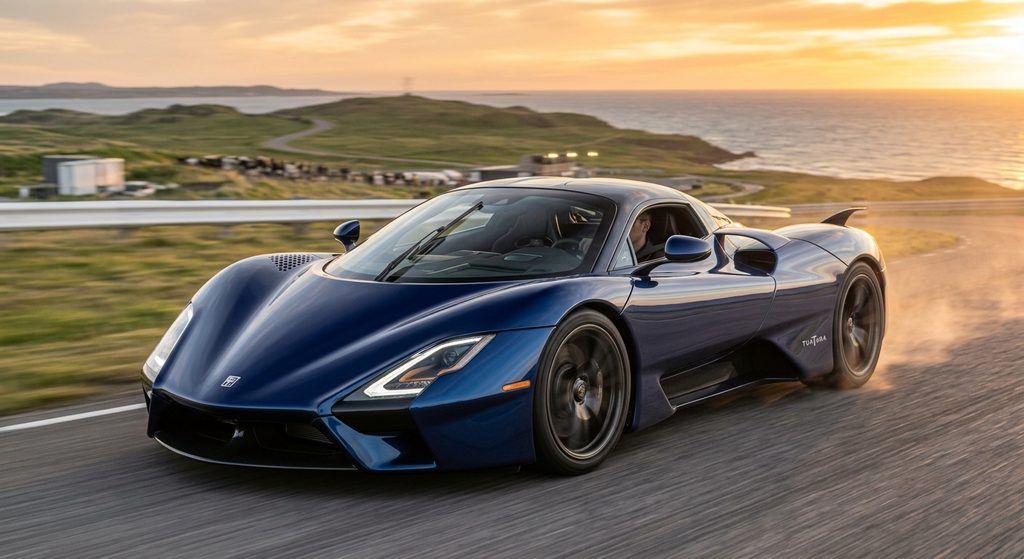
3. SSC Tuatara (Verified: 295 mph / 475 km/h)
American speciality builder Shelby SuperCars (SSC) engineered the Tuatara to reclaim American hypercar supremacy.
- Powertrain: 5.9-litre Twin-Turbo V8 delivering 1,750 hp on E85 fuel.
- Verified Run: After resolving initial testing discrepancies, SSC completed an independently verified two-way average GPS run, reaching 295 mph at the Johnny Bohmer Proving Grounds in Florida.
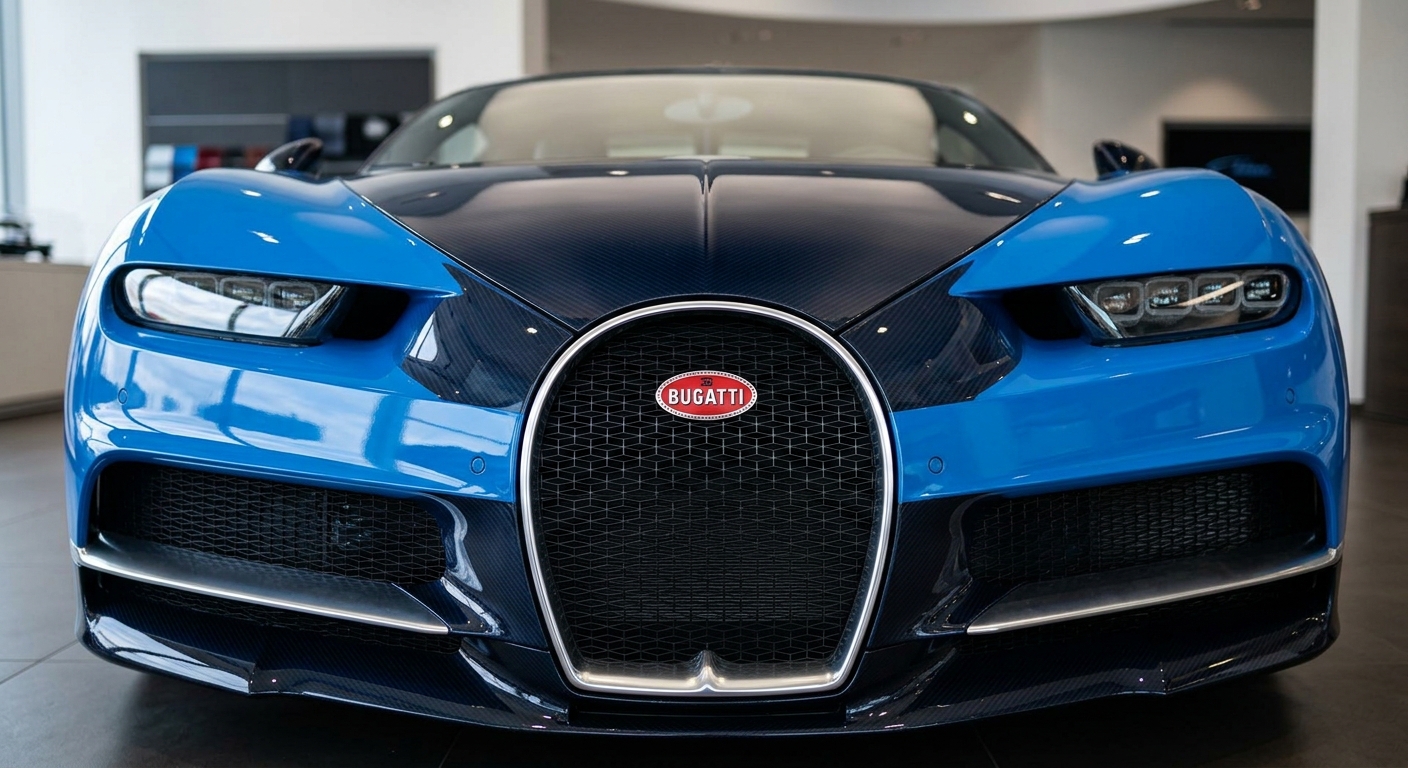
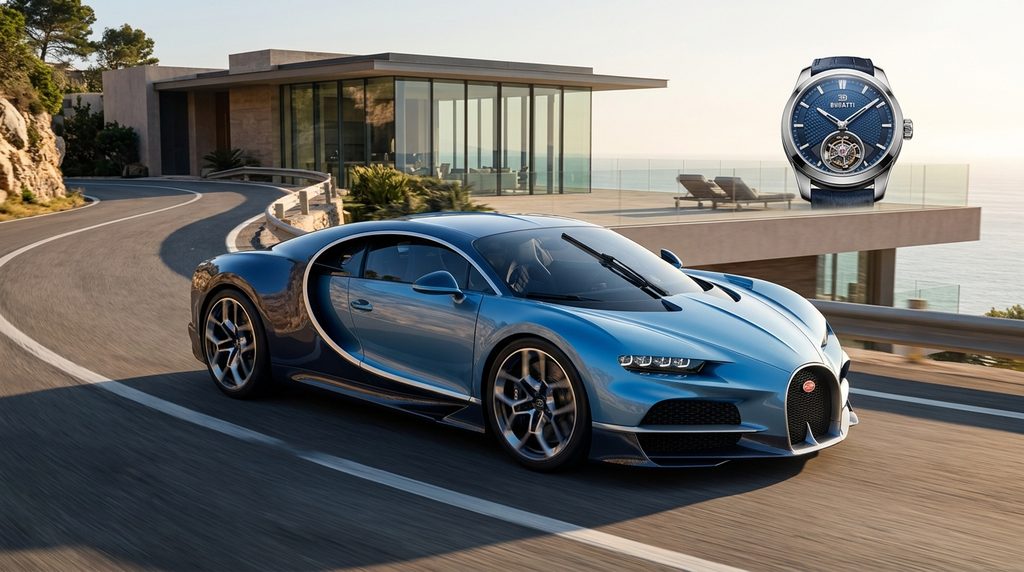
4. Bugatti Tourbillon (Benchmark: 277+ mph / 446 km/h)
Bugatti pioneered the 250 mph era with the Veyron and shattered 300 mph with the Chiron Super Sport 300+ (304.77 mph prototype run). Its flagship successor, the Bugatti Tourbillon, ushers in a new era of engineering.
- Powertrain: Naturally aspirated 8.3-litre V16 engine paired with three electric motors producing 1,800 hp.
- Design Philosophy: Replaces quad-turbocharged systems with an analogue, high-revving V16 hybrid setup paired with an intricate mechanical dashboard inspired by haute horlogerie watchmaking.
Key Engineering Challenges at 300+ MPH
Driving a road-legal production car beyond 300 mph requires overcoming extreme physical forces:
- Tire Resistance: At 300 mph, centrifugal force exerts tons of outward pull on tyre treads. Speciality Michelin and Pirelli compound tyres are reinforced with carbon-fibre threading to prevent heat degradation and tread separation.
- Aerodynamic Drag: Aerodynamic air resistance increases exponentially with speed—doubling speed requires eight times the power to overcome drag force ($F_d = \frac{1}{2} \rho v^2 C_d A$).
- Thermal Management: Dissipating heat from 1,500+ hp engines or high-voltage battery packs requires massive cooling radiators and optimised air scoops without adding excess aerodynamic drag.