Autumn Budget 2026: Predictions, Expected Tax Rises, Defence Spending, Fuel, and Household Costs
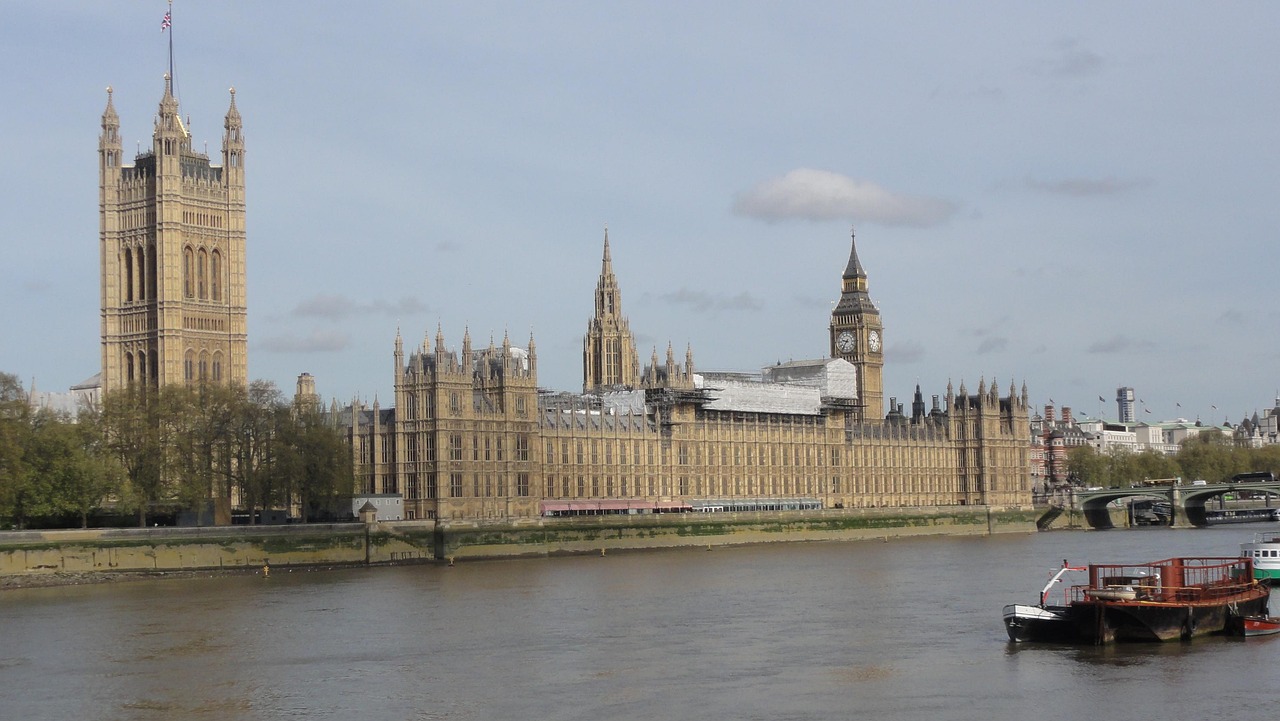
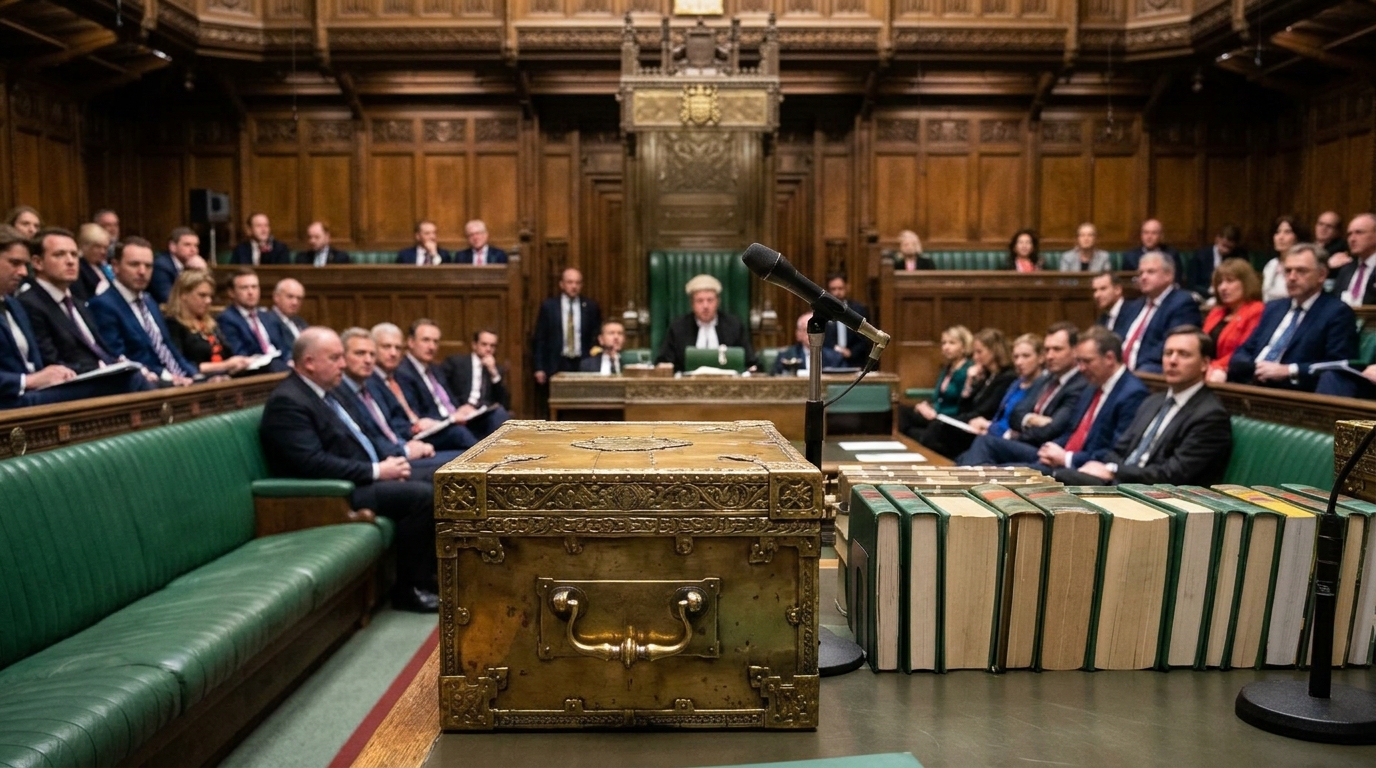
As the United Kingdom prepares for the upcoming Autumn Budget on 28 October 2026, households, investors, and businesses are bracing for significant fiscal announcements. Delivered by Chancellor John Healey, this Budget arrives amid a delicate balancing act: maintaining strict fiscal discipline while offering cost-of-living relief and meeting increased defence commitments.
Below is an expert breakdown of the top predictions surrounding tax policy, defence budgets, fuel duties, and household energy bills.
1. Expected Tax Rises & Wealth Reforms
With explicit manifesto commitments ruling out increases to the main rates of Income Tax, National Insurance, and headline VAT, the Treasury is turning to targeted reforms and “fiscal drag” to generate required revenue.
Fiscal Drag and Threshold Freezes
- Income Tax Allowance: Basic and higher-rate Income Tax thresholds remain frozen. As wages rise to keep pace with inflation, more workers are automatically pushed into higher tax brackets—a mechanism known as fiscal drag that will continue to generate billions for HM Treasury.
Inheritance Tax (IHT) & Pensions
- Pension Inclusion: From April 2027, inherited pension pots are set to be brought into the scope of Inheritance Tax.
- Threshold Stagnation: The standard single allowance (£325,000) and residence nil-rate band (£175,000) remain frozen, pulling an increasing number of middle-income estates into the IHT net.
Capital Gains Tax (CGT) & Property Taxes
- CGT Rates: Speculation had suggested CGT rates might be equalised with Income Tax; however, recent reports indicate the Chancellor may avoid direct rate increases to protect investment, focusing instead on tightening reliefs.
- High-Value Property Surcharges: The proposed annual surcharge on high-value properties (often referred to as a “mansion tax”) for homes valued over £2 million remains on track for implementation in 2028, with no lowering of the entry threshold.
2. Defence Budget & Military Investment
Given heightened geopolitical instability and shifting international alliances, national defence spending forms a cornerstone of Budget predictions.
- Targeting High-GDP Allocations: Following calls from defence analysts and parliamentary committees, the government faces pressure to establish a firm roadmap toward spending 2.5% of GDP on defence.
- Procurement & Modernisation: Chancellor Healey—having previously served as Shadow Defence Secretary—is expected to prioritise front-line equipment modernisation, cyber defence infrastructure, and UK-based defence manufacturing capabilities.
3. Fuel Duty & Motoring Costs
Motoring groups and drivers are closely watching announcements regarding fuel duty and the long-term transition toward zero-emission transport.
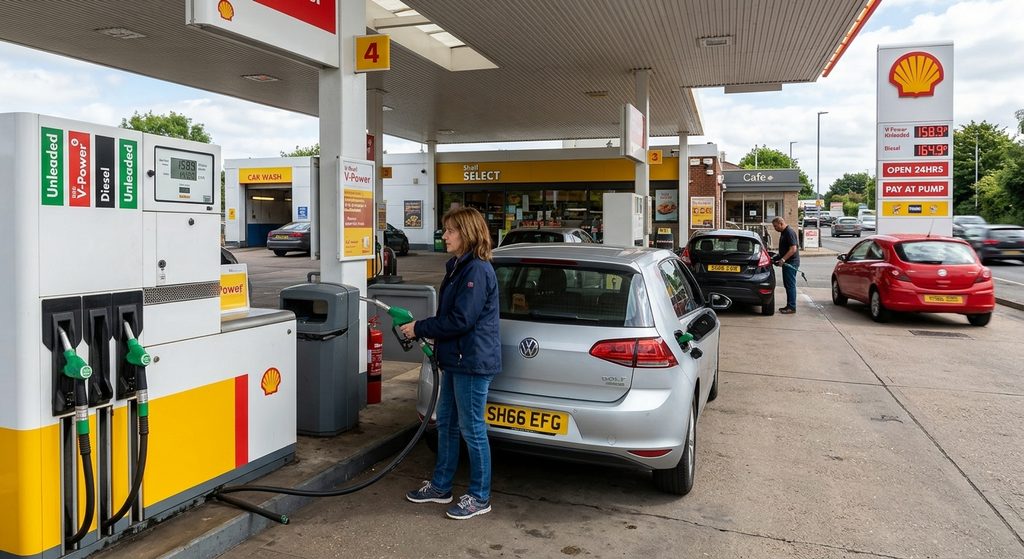
- Fuel Duty Freeze vs. Increase: Fuel duty has been frozen since 2011, accompanied by a temporary 5p cut. While a scheduled 3p increase is slated for early 2027, ongoing volatility in global oil markets may lead the Chancellor to extend the duty freeze to avoid further hitting commuter budgets.
- Electric Vehicle (EV) Taxes: An updated Vehicle Excise Duty (VED) structure incorporating a road-mileage framework for EVs is anticipated, balancing the tax loss from declining petrol and diesel sales.
4. Household Energy Bills & Living Costs
Rising wholesale energy costs mean household bills remain a central concern for the government.
- VAT on Electricity: The government previously eliminated the 5% VAT rate on domestic electricity bills. Further measures under consideration include extending similar reductions to domestic gas or transferring social and green levies off utility bills and into general taxation.
- Energy Grants: Funding for energy-efficiency grants—such as the Boiler Upgrade Scheme for heat pumps—is expected to be maintained or re-targeted toward lower-income households to combat fuel poverty.
Key Takeaways for Households and Businesses
| Area | Key Expectation | Direct Impact |
| Income Tax | Main rates frozen; allowances frozen. | Fiscal drag increases overall tax burden as wages rise. |
| Wealth & Property | Targeted IHT/pension reforms; high-value property surcharge. | Increased exposure for estates and high-value homeowners. |
| Defence | Increased funding roadmap. | Higher public spending targeted at military equipment & UK tech. |
| Fuel & Transport | Possible extension of fuel duty freeze; EV mileage tax plans. | Near-term price relief at pumps; potential future fees for EV drivers. |
| Energy Bills | VAT cuts on electricity; potential levy re-allocations. | Targeted reductions to mitigate rising winter utility bills. |
What’s Next?
The official Autumn Budget speech will take place on Wednesday, 28 October 2026. Full details will be presented alongside economic forecasts from the Office for Budget Responsibility (OBR).