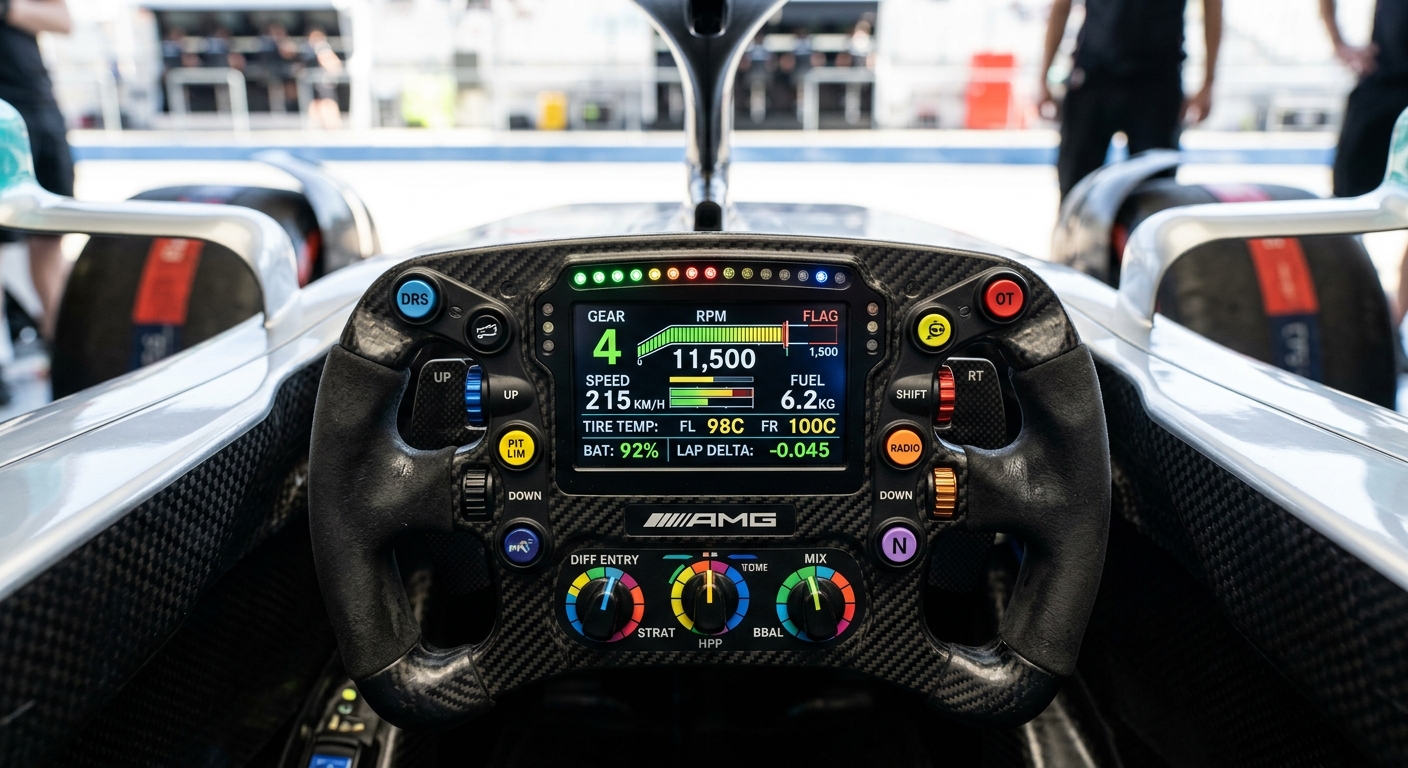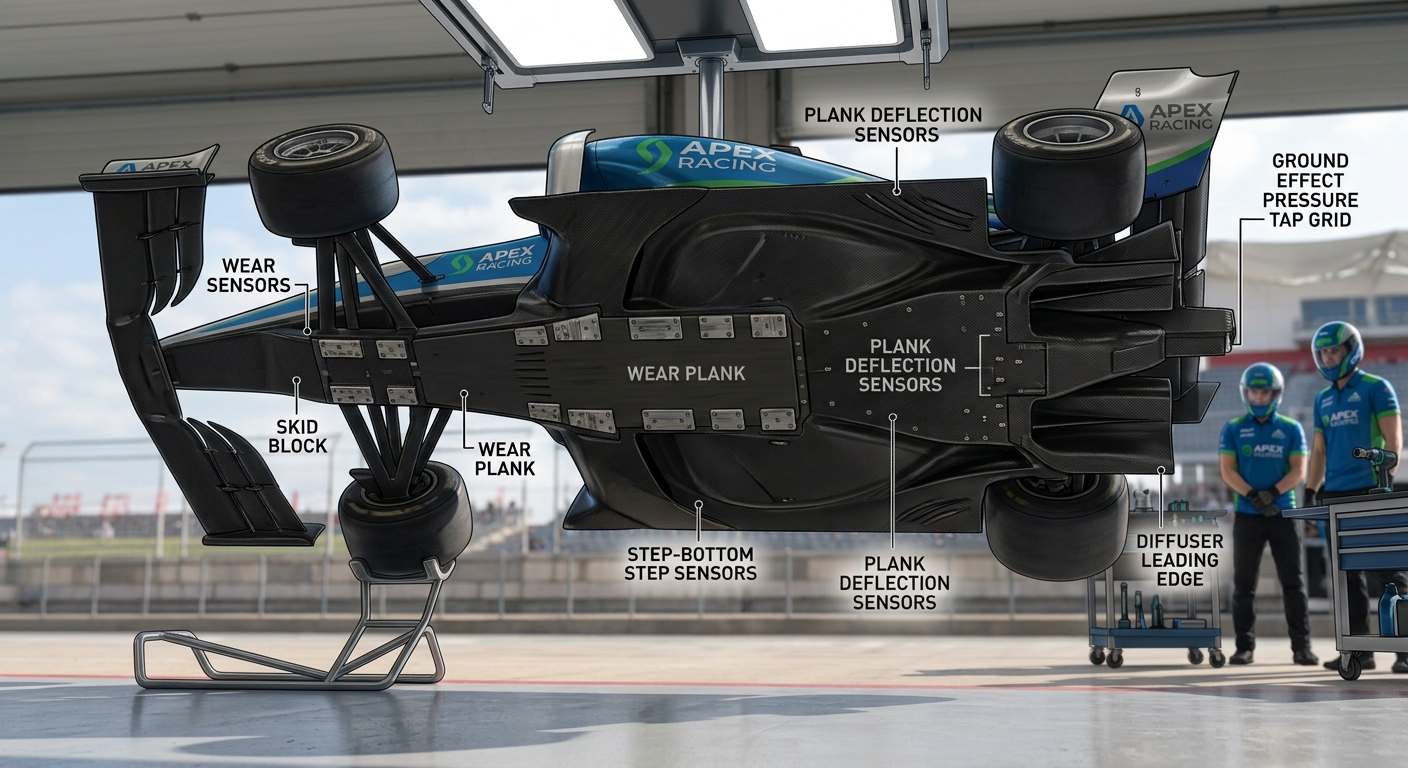
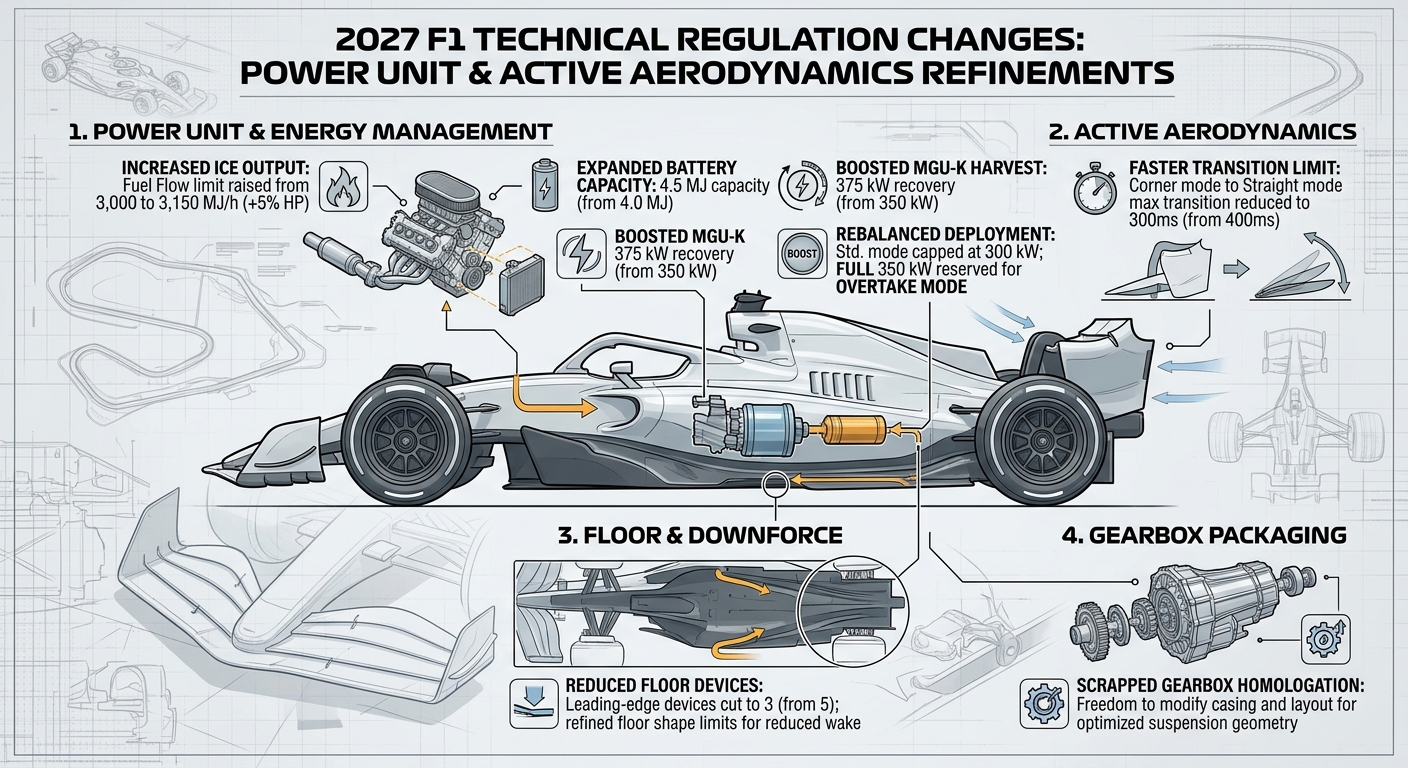
The power unit overhaul was introduced in 2026. The FIA updated the Technical and Sporting Regulations for the 2027 Formula 1 season. This refined energy management, active aerodynamics, and mechanical flexibility.
1. Power Unit & Energy Deployment Tweaks
Following real-world data from the early 2026 hybrid engines, adjustments were made to fuel flow and electrical deployment:
- Increased ICE Output: Fuel flow limits increased, giving the Internal Combustion Engine (ICE) roughly a 5% boost in horsepower.
- Expanded Battery Capacity & Harvest: Battery capacity increased from 4.0 MJ to 4.5 MJ, and MGU-K regenerative braking power was bumped from 350 kW to 375 kW, allowing cars to charge faster and hold more power per lap.
- Deployment Rebalancing: Standard MGU-K electric deployment in qualifying and race sessions is capped to prevent cars from running out of battery prematurely.
- Overtake Boost: Full 350 kW deployment remains strictly reserved for Overtake Mode, effectively giving attacking drivers an instant 70 hp.

2. Active Aerodynamics & Floor Changes
To prevent teams from exploiting active wing transition times, the FIA introduced stricter aeromotion controls:
- Faster Active Aero Transition Limit: The maximum permitted transition time between corner mode (high downforce) and straight mode (low drag/open mode) was reduced from 400 ms down to 300 ms. This was aimed at controlling complex rotating rear-wing designs (such as Ferrari’s high-angle mechanism).
- Floor Downforce Adjustments: Leading-edge floor devices were cut from 5 to 3, and section allowances around the bib and floor corners were reduced to further meet target wake reduction goals.
3. Gearbox Development Scrapped Homologation
- Scrapping Gearbox Homologation: Gearbox designs are no longer locked under strict multi-year homologation freezes starting in 2027. Teams are free to alter and re-architect their gearbox casings and internal layouts in-season to optimise rear suspension packaging.
4. Sporting Regulations & Race Timings
- Hard Stop Race Clock: The overall 3-hour clock previously used to account for red flags. Stoppages were replaced by a hard stop time for track activity, though the active 2-hour racing duration remains unchanged.
- Temporary Race Distance Flexibility: The FIA retained a temporary option for 2027 to shorten Grand Prix distances by up to 4 laps if real-time fuel and energy management conditions require it on high-consumption circuits.