Understanding British politics does not require memorising centuries of history or complex jargon. At its core, the UK political system is a constitutional monarchy driven by a parliamentary democracy. Here is a straightforward breakdown of how it all works.
1. The Three Main Parts of Parliament
The UK Parliament, based at the Palace of Westminster in London, is responsible for making laws, setting taxes, and scrutinising government actions. It consists of three key elements:
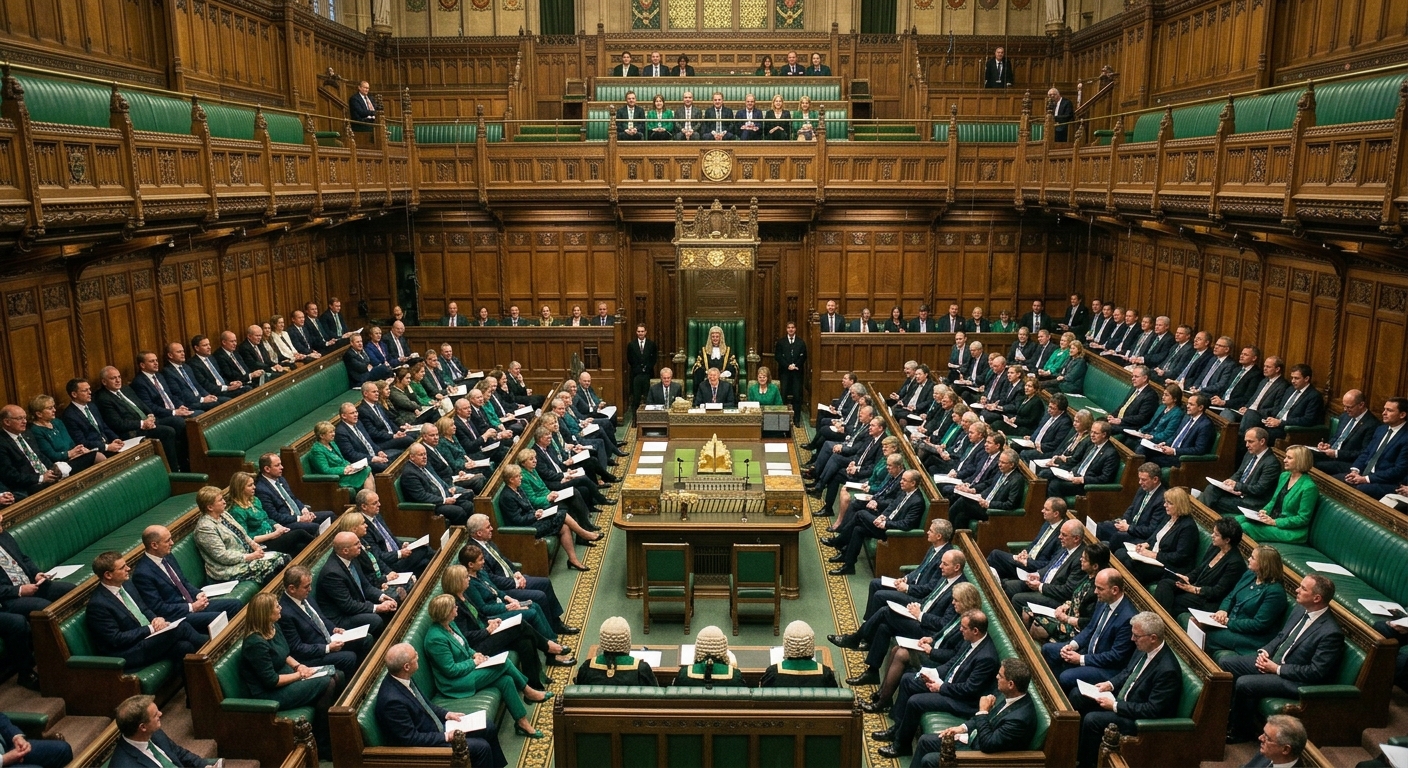
- The House of Commons: The primary, elected decision-making body made up of 650 Members of Parliament (MPs). Each MP represents a specific geographic area called a constituency.
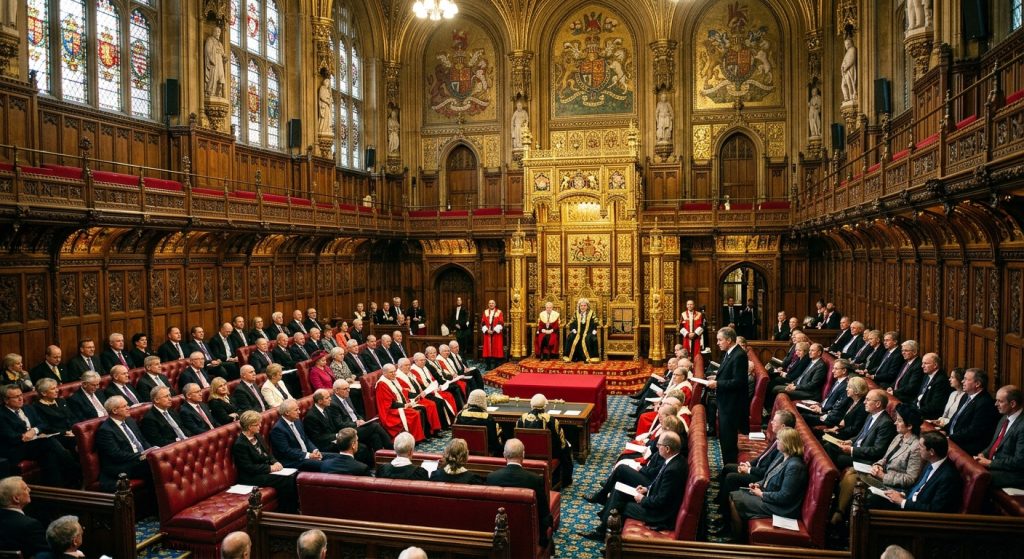
- The House of Lords: The upper, unelected chamber. It is largely made up of “life peers” appointed for their expertise in business, law, science, or public service. Their main job is to review, refine, and suggest changes to laws passed by the Commons.
- The Monarch: The reigning King or Queen serves as the non-political Head of State. The sovereign’s role is largely ceremonial, including granting official approval (Royal Assent) to bills so they can become law.
2. Government vs. Parliament
It is common to confuse the Government with Parliament, but they have distinct roles:
- The Government: The executive branch responsible for running the country day-to-day, managing public services (like the NHS and military), and directing national strategy.
- Parliament: The legislative branch that checks, debates, and votes on what the Government is doing.
3. How a Prime Minister and Government Are Chosen
The UK does not hold a separate direct vote for Prime Minister. Instead, general elections take place at least every five years, where citizens vote for an MP to represent their local constituency.
- First-Past-the-Post System: In each constituency, the candidate who receives the most individual votes wins a seat in the House of Commons.
- Forming a Government: The political party that wins a majority of the 650 seats (326 or more) forms the government.
- The Prime Minister: The leader of that majority party is invited by the King to become Prime Minister. The Prime Minister then appoints senior MPs to form the Cabinet, a group of ministers overseeing specific government departments (e.g., Health, Education, Finance).
4. The Opposition and the Shadow Cabinet
The political party with the second-highest number of seats becomes the Official Opposition.
- Leader of the Opposition: Leads the challenge against the Prime Minister’s plans.
- Shadow Cabinet: A team of senior opposition politicians chosen to mirror government cabinet positions, holding individual government ministers accountable and offering alternative policies.
5. Devolution: Scotland, Wales, and Northern Ireland
While the central Parliament in London makes laws for the whole United Kingdom on overarching issues like defense, foreign policy, and immigration, power is decentralised for domestic matters through devolution.
The Scottish Parliament, Senedd Cymru (Welsh Parliament), and Northern Ireland Assembly have elected representatives who manage local matters, including healthcare, education, transport, and local housing within their respective nations.
Summary of Major Political Parties
- Labour Party: Center-left party traditionally focused on public services, workers’ rights, and social equality.
- Conservative Party (Tories): Center-right party traditionally focused on lower taxation, free-market economics, and individual responsibility.
- Liberal Democrats: Centrist party focusing on civil liberties, constitutional reform, and environmental issues.
- Regional Parties: Parties like the Scottish National Party (SNP) and Plaid Cymru (Wales) advocate for regional interests and self-determination.