
A fine luxury watch is more than a tool for keeping time—it is a statement of personal style, a masterpiece of micro-engineering, and often an enduring financial asset. In a digital world dominated by smartwatches and smartphones, traditional designer watches continue to experience a resurgence among collectors and fashion enthusiasts alike.
Whether you are considering purchasing your first luxury timepiece or seeking to expand your horological collection, this comprehensive guide explores the benefits, potential drawbacks, and whether Swiss-made timepieces truly hold the crown.
Key Takeaways at a Glance
| Factor | Designer & Luxury Watches |
| Primary Appeal | Craftsmanship, heritage, personal style, and prestige |
| Investment Potential | High for select blue-chip models (e.g., Rolex, Patek Philippe, Audemars Piguet) |
| Longevity | Decades to generations with proper servicing |
| Maintenance | Mechanical servicing required every 5–10 years |
| Swiss Status | Industry benchmark for heritage, strict quality laws, and craftsmanship |
The Pros: Why Invest in a Designer Watch?
1. Timeless Style and Personal Expression
Unlike fast-fashion accessories, a well-chosen designer watch transcends seasonal trends. Whether it is a minimalist dress watch, a rugged dive watch, or a complex chronograph, luxury timepieces allow the wearer to express personal taste and attention to detail subtly.
2. Exceptional Craftsmanship and Longevity
Skilled horologists hand-assemble high-end mechanical watches using premium materials such as 316L or 904L stainless steel, titanium, 18k gold, platinum, and scratch-resistant sapphire crystal. With routine care and servicing, a mechanical watch can easily outlive its owner, making it a meaningful family heirloom.
3. Emotional and Financial Value
Select designer timepieces hold or appreciate in value over time. While not every watch guarantees a positive financial return, blue-chip brands and limited-production references often perform exceptionally well on the secondary market compared to consumer electronics that depreciate instantly.

The Cons: What to Consider Before Buying
1. High Entry and Maintenance Costs
The upfront financial investment for a true designer or luxury mechanical watch starts in the low thousands and can scale up significantly. Additionally, mechanical movements require periodic servicing every 5 to 10 years to lubricate gears and replace worn gaskets, which can cost anywhere from £250 to over £1,000 depending on the complexity of the movement.
2. Quartz Accuracy vs. Mechanical Charm
Purists love mechanical and automatic movements for their sweeping second hands and intricate gear trains. However, a basic quartz movement powered by a battery is inherently more accurate than even the most expensive mechanical movement. If absolute precision to the fraction of a second is your primary goal without daily wearing or winding, quartz or solar movements hold a clear functional advantage.
Are Swiss Watches Really the Best?
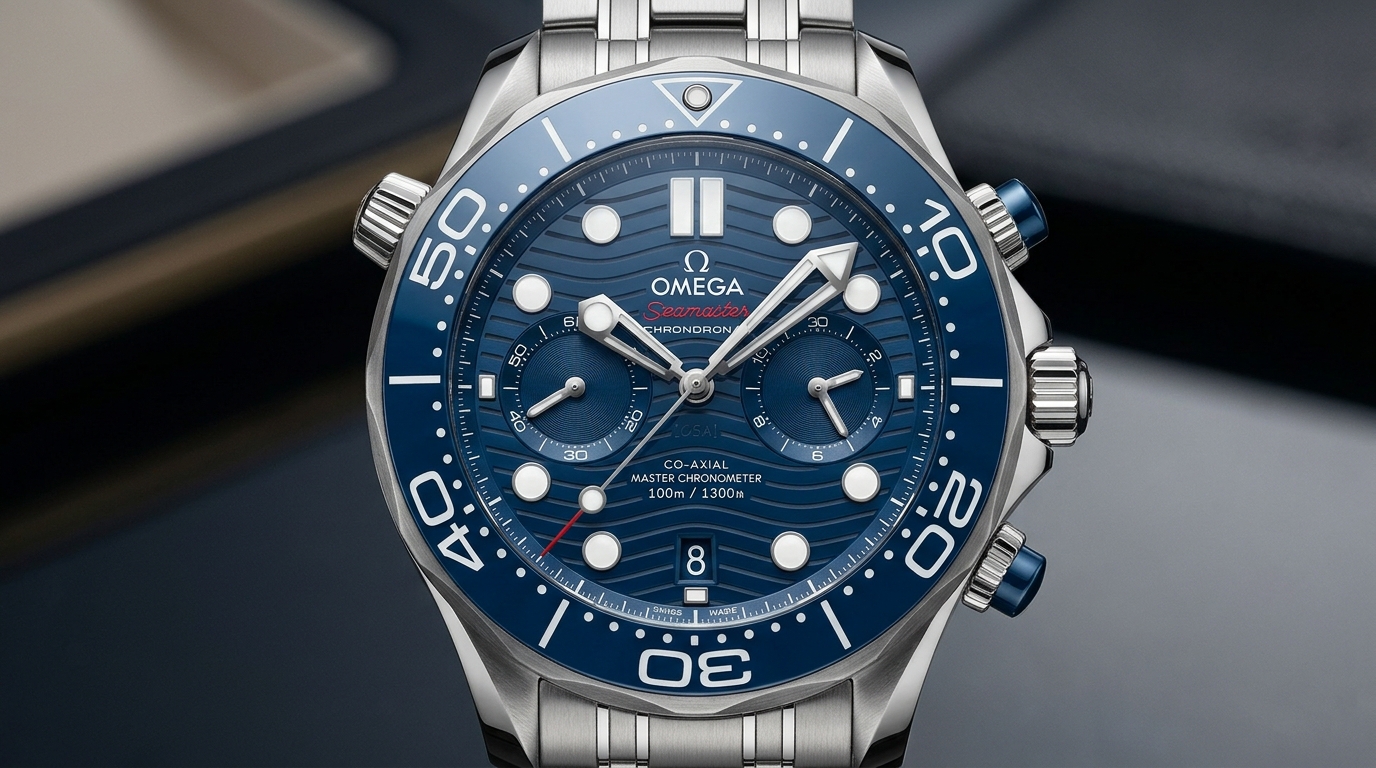
For over two centuries, Switzerland has been recognised as the epicentre of luxury watchmaking. Brands like Rolex, Patek Philippe, Omega, Audemars Piguet, and TAG Heuer have cemented Switzerland’s reputation for unrivalled precision and heritage.
The Power of the “Swiss Made” Label
The designation “Swiss Made” is legally protected. To carry this stamp on the dial, a watch must meet strict legal criteria regulated by Swiss law:
- At least 60% of manufacturing costs must be generated in Switzerland.
- The movement must be cased up in Switzerland.
- The final technical inspection must take place in Switzerland.
Modern Competitors: Germany and Japan
While Swiss timepieces remain the gold standard for prestige and resale market strength, they are no longer the only elite options available:
- Japanese Innovation (Seiko & Grand Seiko): Japan revolutionised the industry with the Quartz Crisis in the 1970s. Today, Grand Seiko produces world-class mechanical and Spring Drive movements that rival or exceed Swiss finishing at comparable price points.
- German Engineering (A. Lange & Söhne & Nomos Glashütte): The Glashütte region in Saxony, Germany, produces timepieces known for meticulous hand-engraving and distinct three-quarter plate architecture, holding equal prestige among horological connoisseurs.
Verdict: Swiss watches remain the undisputed leaders in market recognition, resale value, and heritage. However, non-Swiss watchmakers offer exceptional alternatives that equal Swiss precision and craftsmanship.
How to Choose the Right Luxury Watch
- Define Your Purpose: Decide whether you need a daily wearer (sports or dive watch), a formal dress watch, or an investment-focused collector’s piece.
- Choose Your Movement:
- Automatic/Mechanical: Best for tradition, craftsmanship, and sweeping second hands.
- Quartz: Best for grab-and-go convenience, low maintenance, and exact precision.
- Research the Brand’s History: A brand’s heritage often dictates its long-term value retention and customer support service.