
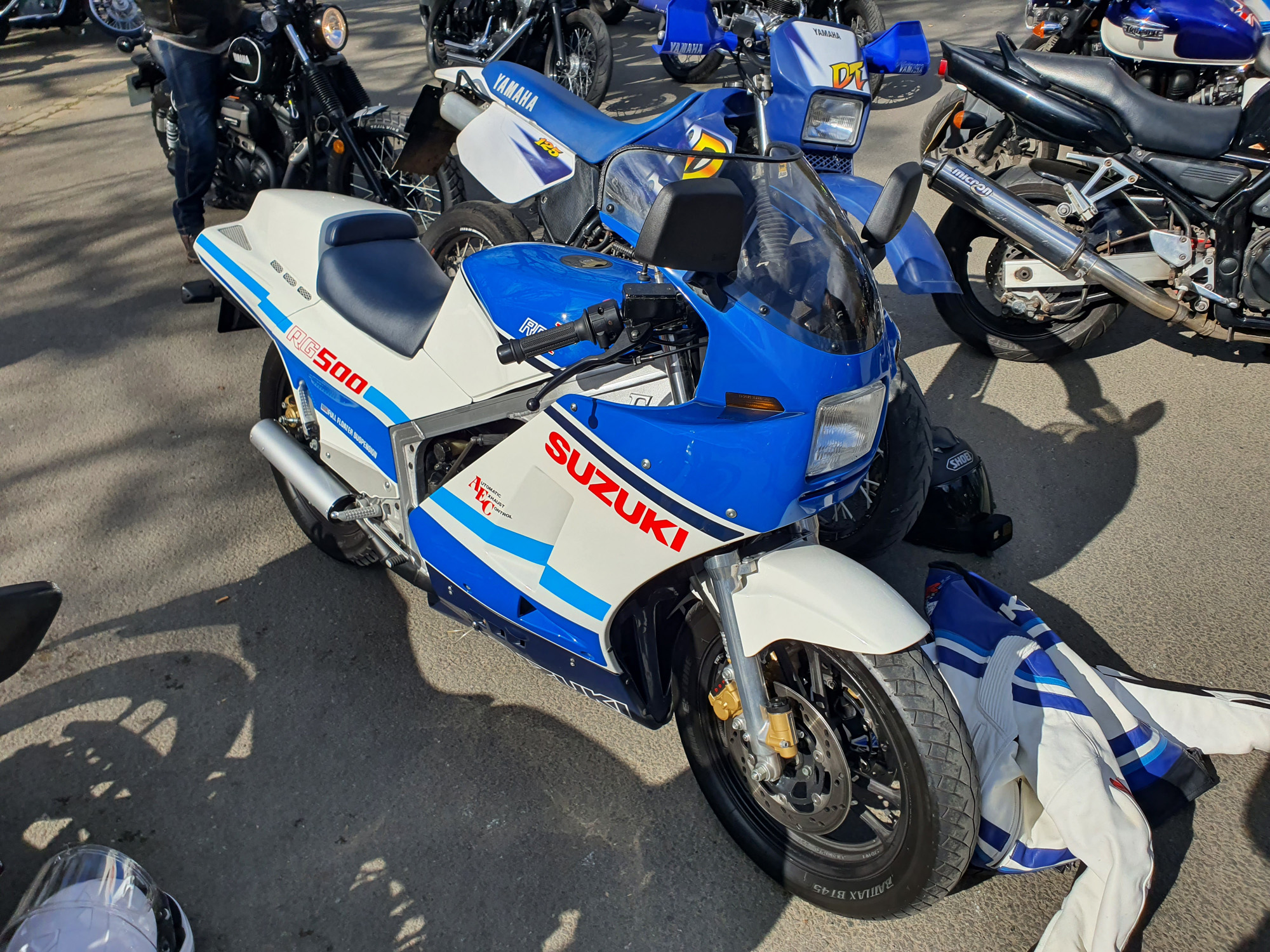
The Thrill of 2-Stroke Motorcycles: History, How They Work, and Modern Legacy
Few sounds in the automotive world are as instantly recognisable as the high-pitched rasp of a 2-stroke motorcycle. Paired with their distinct sweet-smelling exhaust and explosive powerbands, 2-stroke engines hold a legendary status among motorcycle enthusiasts, off-road racers, and vintage collectors worldwide.
Whether you are reminiscing about iconic road racers of the past or looking into modern fuel-injected enduro bikes, this complete guide breaks down the mechanics, history, and modern reality of 2-stroke motorcycles.


1. How Does a 2-Stroke Engine Work?
At its core, an internal combustion engine converts fuel into motion. While 4-stroke engines require four distinct piston movements (Intake, Compression, Power, Exhaust) across two crankshaft rotations to complete one cycle, a 2-stroke engine accomplishes all four functions in just two piston strokes (one crankshaft revolution).
Piston Moves Up: Compression & Intake ➔ Spark Ignites ➔ Piston Moves Down: Power & Exhaust
The Two-Stroke Cycle Breakdown
- Upstroke (Compression & Intake): As the piston travels upward, it compresses the fuel-air mixture in the combustion chamber above it. Simultaneously, the rising piston creates a vacuum in the crankcase below, drawing in fresh air, fuel, and oil through a reed valve.
- Downstroke (Power & Exhaust): The spark plug ignites the compressed mixture, forcing the piston down rapidly (the power stroke). As the piston drops, it uncovers the exhaust port, allowing burned gases to rush out, and then uncovers the transfer port, pushing the fresh fuel-air charge from the crankcase up into the cylinder for the next cycle.
Because every single downstroke generates power, a 2-stroke engine fires twice as often as a 4-stroke engine running at the same RPM.
2. Advantages and Disadvantages of 2-Stroke Motorcycles
The unique design of the 2-stroke engine gives it distinct characteristics on and off the road:
| Advantages | Disadvantages |
| High Power-to-Weight Ratio: Delivers immediate, punchy power in a compact, lightweight package. | Narrow Powerband: Power arrives abruptly at high RPMs (known as “getting on the pipe”), requiring frequent gear shifts. |
| Mechanical Simplicity: No complex valves, camshafts, or timing chains, making engine rebuilds simpler and cheaper. | Higher Emissions: Burning oil mixed with gasoline produces higher unburnt hydrocarbon emissions and visible smoke. |
| Lightweight Handling: Fewer moving parts mean a lower centre of gravity and nimble handling, ideal for off-road trails. | Fuel Efficiency: Less fuel-efficient than 4-stroke equivalents, as a small amount of unburnt fuel can escape through the exhaust port. |
3. The Golden Era of 2-Stroke Street & Racing Bikes
During the 1960s through the 1990s, 2-strokes dominated both grand prix motorcycle racing and performance street bikes.
Legendary Street & Race Machines
- Kawasaki “Triple” Series (1968–1970s): Iconic air-cooled 3-cylinder street bikes like the H1 Mach III (500cc) and H2 Mach IV (750cc), renowned for raw acceleration and wild power delivery.
- Yamaha RD350 & RZ350: Pioneering liquid-cooled twin-cylinder road bikes that brought lightweight, race-bred performance to public roads. The RZ350 introduced power valves (YPVS) to broaden low-end torque.
- 500cc Grand Prix Dominance: For decades, the pinnacle of world championship racing (Grand Prix 500cc) was ruled by lightweight, fire-breathing 2-stroke V4 machines ridden by legends like Kenny Roberts, Wayne Rainey, Mick Doohan, and Kevin Schwantz.
4. Modern 2-Strokes: The Off-Road Revolution & TPI Technology
While strict highway emissions regulations phased out road-legal 2-stroke street bikes in the early 2000s, 2-strokes never died—they moved off-road and evolved.
In hard enduro, motocross, and trail riding, the light weight and immediate low-speed throttle response of 2-strokes remain unmatched. Manufacturers like KTM, Husqvarna, GasGas, Beta, and Sherco have invested heavily in modernising the technology.
Transfer Port Injection (TPI) & Fuel Injection
Modern off-road 2-strokes have replaced traditional carburettors with electronic fuel injection (EFI) and Transfer Port Injection (TPI):
- No Pre-Mixing Required: Electronic oil injection pumps automatically feed oil from a separate reservoir based on engine load.
- Cleaner Emissions & Smoother Power: Precision ECU-controlled fuel delivery drastically reduces smoke, improves fuel economy, and delivers smooth power across the entire rev range.
- Altitude Adjustments: On-board sensors automatically adjust fuel mapping for elevation and ambient air pressure changes.
5. Maintenance Basics for 2-Stroke Owners
Keeping a 2-stroke motorcycle running in top condition requires simple, routine care:
- Use High-Quality 2-Stroke Premix Oil: If riding a carbureted machine, always mix top-tier synthetic 2-stroke oil at the manufacturer’s recommended fuel-to-oil ratio (e.g., 40:1 or 50:1).
- Clean the Air Filter Frequently: Off-road dirt and dust are the leading causes of premature piston ring wear. Wash and oil your air filter regularly.
- Monitor Piston & Ring Service Hours: Because 2-stroke pistons move lighter loads without heavy valve trains, top-end rebuilds (piston and rings) are straightforward maintenance items meant to be refreshed periodically.
- Inspect the Expansion Chamber: The expansion pipe plays a critical acoustic role in pulling fresh charge back into the cylinder; keep it free of major dents for optimal engine performance.
Summary
From the screaming 500cc GP racers of the 1980s to today’s ultra-advanced fuel-injected hard enduro machines. 2-stroke motorcycles hold a permanent place in motorcycling culture. Their lightweight agility, mechanical simplicity, and exhilarating power delivery ensure that the classic 2-stroke experience remains as captivating as ever.