Speed cameras are a familiar sight on UK roads. They appear as bright yellow boxes fixed to grey poles, as white vans at the roadside, and as gantry-mounted cameras above motorway lanes. Their job is to enforce speed limits and reduce collisions, and most drivers will encounter one at some point. But the technology behind them is not always understood.
This guide explains the different types of speed cameras used across the UK. How they record your speed and why average speed cameras are different from the rest. It also covers where cameras tend to be placed and how you can check your route before you leave.
Safety camera partnerships bring together police forces, local councils and road safety organisations. The Leicester, Leicestershire and Rutland Road Safety Partnership, for example, describes its purpose as providing all the information drivers need about speed and red light cameras in the area. This partnership model is common across much of the UK.
Why Are Speed Cameras Used?
Speed cameras are not scattered across the road network at random. There is a clear logic behind where the fixed sites are placed. Fixed safety camera sites are located where three or more people have been killed or seriously injured in speed-related crashes, over a 1.5km stretch of road.
The aim is simple: to reduce speeding in places where it has already caused serious harm. A worldwide review of studies found that speed cameras led to a reduction of “11% to 44% for fatal and serious injury crashes”. That evidence explains why police forces and road safety partnerships continue to invest in them.
The process is not about raising revenue. Sites are chosen because of a proven history of crashes involving speed, and the aim is to prevent future casualties. That is why the criteria for a fixed site are so specific, and why cameras are not placed on roads without a recorded problem.
The Main Types of Speed Cameras in the UK
There is more than one kind of speed camera. Each works in a slightly different way. The main types are fixed cameras, average speed cameras, mobile cameras and red light cameras.
Fixed Speed Cameras
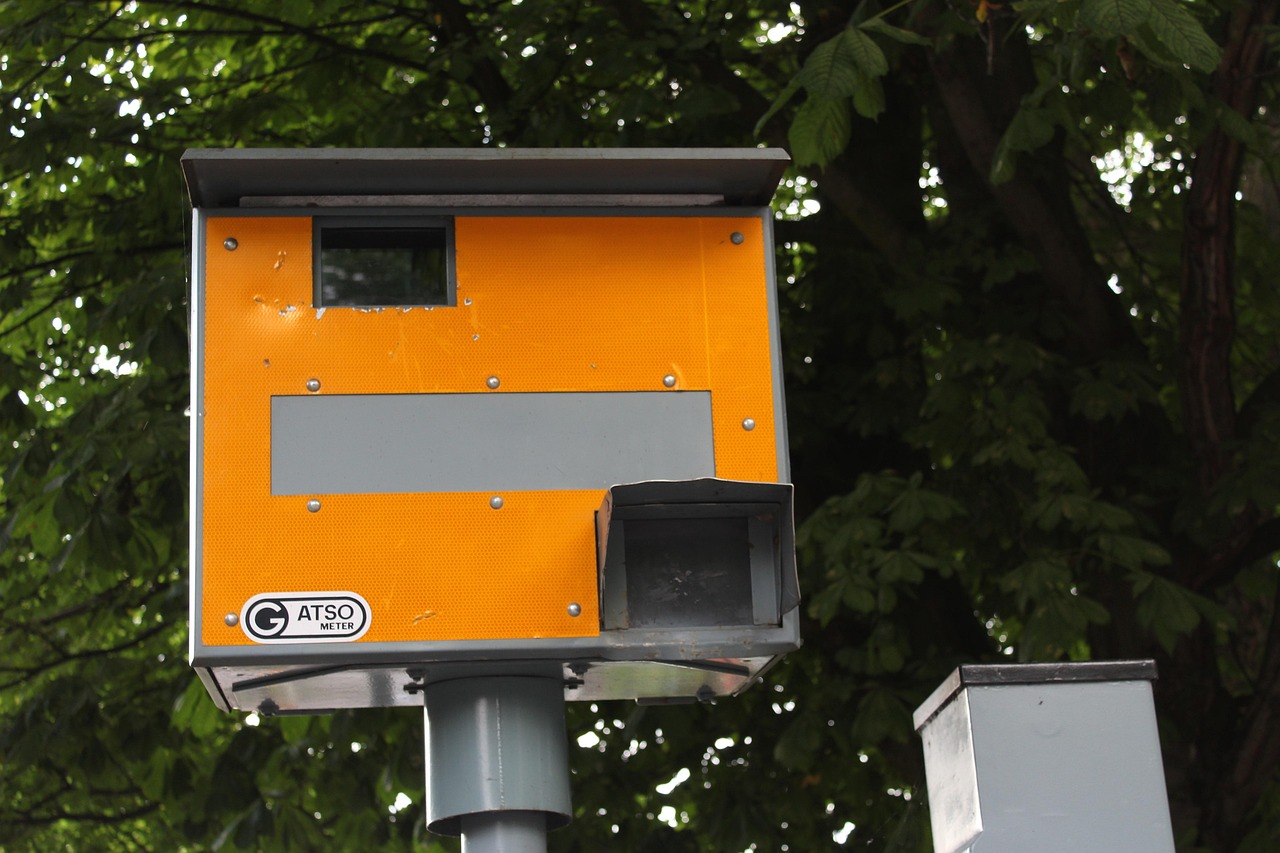
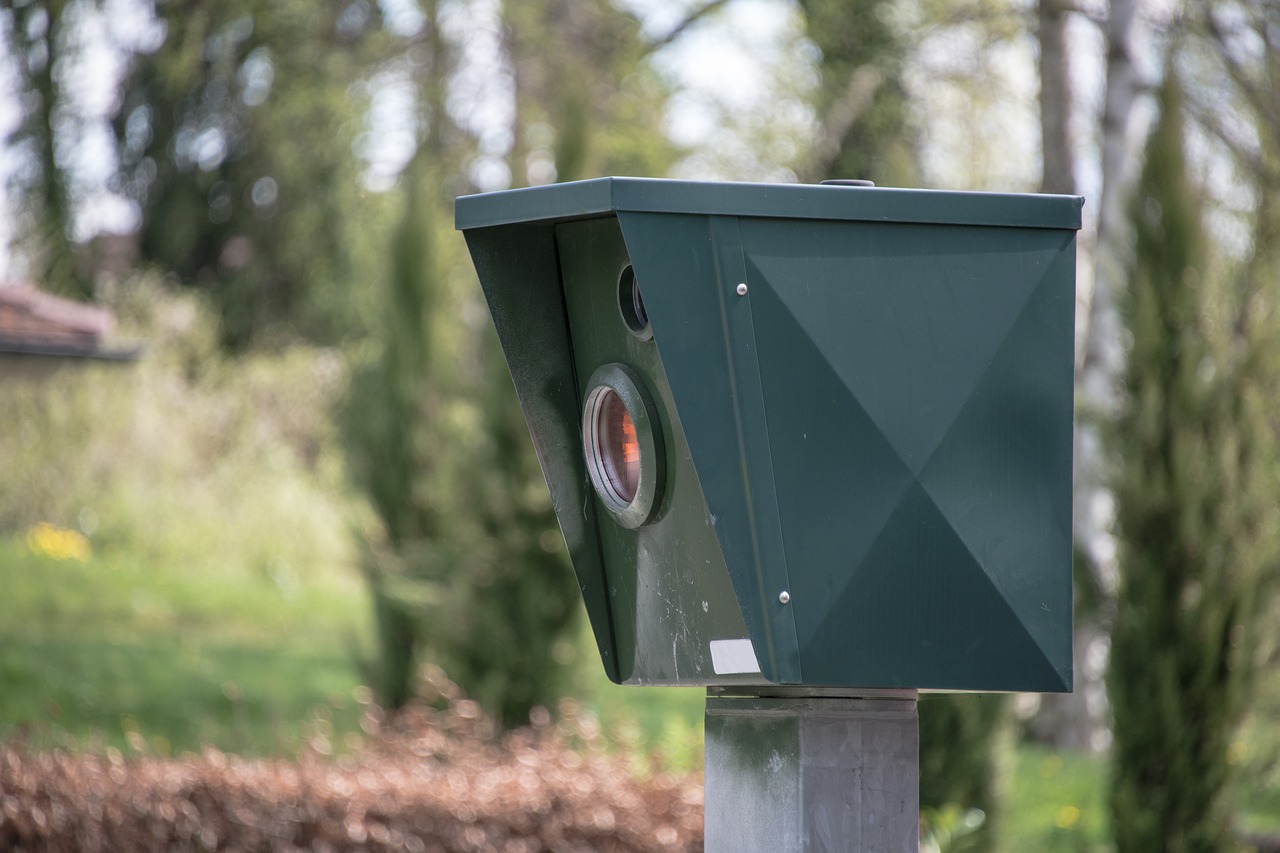
Fixed speed cameras measure the speed of a vehicle at a given point. They are marked yellow and mounted at the roadside on grey-coloured poles. Because they are permanent, drivers usually know where they are, and the cameras act as a constant reminder to keep within the limit.
Average Speed Cameras
Average speed cameras measure a vehicle’s speed over a distance rather than at a single point. They are commonly used around roadworks and on stretches of major road where a temporary limit is in force. When you see a fixed speed limit sign together with an “average speed check” sign. It means vehicles exceeding that speed limit are detected by average speed enforcement cameras.
Mobile Speed Cameras
Mobile cameras are operated from vehicles that can be moved between sites. In Northern Ireland, for example, there are 90 permanently signed locations where 12 safety camera vehicles operate, and the vehicles can be deployed anywhere in the country. West Midlands Police Camera Enforcement Unit is responsible for the operation of both mobile and variable speed cameras in its area.
Red Light and Site Safety Cameras
Some enforcement cameras do more than check speed. Red light and speed camera enforcement is in place in Edinburgh, including at Duddingston Park South at Milton Road West and at A701 Liberton Gardens. These sites may use fixed speed cameras, average speed cameras or site safety cameras, depending on the location and the risks involved.
How Speed Cameras Record Your Speed
Speed cameras record a vehicle’s speed by using detectors in the road or radar technology, depending on the type of camera. Detector-based systems use sensors buried in the road surface. As a vehicle passes over them, the time taken to travel between the sensors gives an accurate speed reading.
Radar technology works differently. The camera unit sends out a signal that bounces off the vehicle as it approaches, and the change in the reflected signal is used to calculate speed. Both methods allow a fixed camera to capture a single, precise reading at the point where the camera is positioned.
When a vehicle is recorded above the limit, the camera captures the evidence needed for enforcement, including the registration plate of the vehicle. The technology used affects how reliable the reading is. Detectors in the road are not affected by weather, and radar units can measure speed from a distance without the vehicle needing to slow down. In both cases, the camera only activates when the recorded speed is above the limit, which reduces the number of images captured.
How Average Speed Cameras Work
Average speed cameras use a completely different method. Instead of measuring speed at one point, they calculate the average speed of a vehicle between two or more camera locations. This is why they are effective on long stretches of roadworks, where drivers might otherwise slow down for one camera and speed up again afterwards.
Provided by National Highways around roadworks on major routes, these cameras work by recording the time a vehicle passes the first camera, and then the time it passes the second camera. The distance between the two is known, so the system can work out the average speed over that stretch. If the average is above the signed limit, enforcement action can follow.
Average speed cameras are equipped with infrared illuminators and cameras, allowing them to work in all weather conditions, 24 hours a day. Rain, fog, darkness or snow makes no difference to their accuracy, which makes them a reliable choice for enforcing limits at roadworks and through other temporary restrictions.
Average speed cameras are most often associated with roadworks, but they can also be used in other locations. Edinburgh, for instance, includes average speed cameras among its enforcement options, alongside fixed speed cameras and site safety cameras.
Where Speed Cameras Are Located
The location of fixed speed cameras follows strict criteria. Any fixed safety camera site must be on a stretch of road where three or more people have been killed or seriously injured in speed-related crashes over a 1.5km stretch. Local safety camera partnerships publish maps so drivers can see where enforcement is taking place.
The number of cameras varies around the UK. In Northern Ireland, there are three fixed speed cameras, six fixed red light running cameras and three average speed enforcement cameras. There are also 320 active sites in total, 109 of which are permanent. The remaining sites are served by mobile safety camera vehicles that can be deployed anywhere in the region.
Regional partnerships cover different parts of the country. The Kent and Medway Safety Camera Partnership maintains a camera map for its area, while the Leicester, Leicestershire and Rutland Road Safety Partnership provides information about speed and red light cameras and the purpose of its work. Each of these bodies sets its own local approach within national guidance.
The West Midlands takes a similar approach. West Midlands Police Camera Enforcement Unit is responsible for the operation of both mobile and variable speed cameras, as well as average speed cameras.
Are Speed Cameras Effective?
The evidence suggests they are. A worldwide review of studies found that speed cameras led to a reduction of “11% to 44% for fatal and serious injury crashes”. The range depends on the type of camera, the road and how consistently enforcement is applied, but the direction of the results is consistent across multiple studies.
Average speed cameras add another benefit. Because they monitor speed over an entire stretch of road, they encourage drivers to hold a steady, legal speed rather than braking sharply before a single fixed camera and accelerating again afterwards. This produces smoother traffic flow and fewer sudden changes in speed around roadworks.
How to Check Your Route for Speed Cameras
If you are planning a journey and want to know what enforcement is ahead, the UK Speed Camera Map lets you check your route for speed camera locations before you leave. You can zoom in closer to view the cameras in each area. It is a useful way to plan a trouble-free drive.
It is worth remembering that not every camera will appear on a map. Mobile safety camera vehicles can be deployed anywhere, such as the 12 vehicles operating across Northern Ireland’s 90 permanently signed locations. A map shows the known fixed sites, but it cannot guarantee that a mobile van will not be somewhere else on your route.
Frequently Asked Questions
Do speed cameras allow you to drive over the speed limit?
There is no single national tolerance figure published that applies to every camera in the UK. Enforcement thresholds can vary between police forces and safety camera partnerships, so the safest approach is to treat the posted limit as the maximum. If you want to know the exact threshold in your area, contact the local safety camera partnership directly.
How do I know if a speed camera caught me?
If a speed camera records your vehicle exceeding the limit, the relevant police enforcement unit will normally contact the registered keeper of the vehicle in writing. You should wait for that official notification before taking any action. If you believe a notice may have been missed, the best step is to contact the local police camera enforcement unit for advice.
Will I get points for driving slightly over the limit?
Enforcement action for a minor speeding offence depends on the threshold set by the local force and the circumstances at the time. Even a speed recorded just above the limit can result in a ticket and penalty points. Thresholds are not published consistently across the UK, so the only guaranteed way to avoid a fine is to stay at or below the signed limit.
Do speed cameras work at night and in bad weather?
Average speed cameras are equipped with infra-red illuminators and cameras, allowing them to work in all weather conditions, 24 hours a day. This means they operate through darkness, rain, fog and snow without loss of accuracy. Fixed cameras that use detectors in the road or radar technology are also unaffected by visibility, because they measure speed directly rather than relying on sight.
Are all speed cameras painted yellow?
Not all enforcement cameras are the same colour, but fixed safety cameras are clearly marked. Fixed cameras are painted yellow and mounted on grey-coloured poles so drivers can see them easily. Mobile camera vehicles are also signed at their operating locations. The aim is to slow traffic down, not to catch drivers by surprise.